Is the Eucharist Pantheism?
Is the Eucharist pantheism? Learn why receiving Christ in Communion unites Catholics to God by grace without making them God or making creation divine.
Related: is the Eucharist pantheism · communion and pantheism · does communion make you God · Eucharist divine essence · receiving Christ divinity

Frequently Asked Questions
Is the Eucharist pantheism?
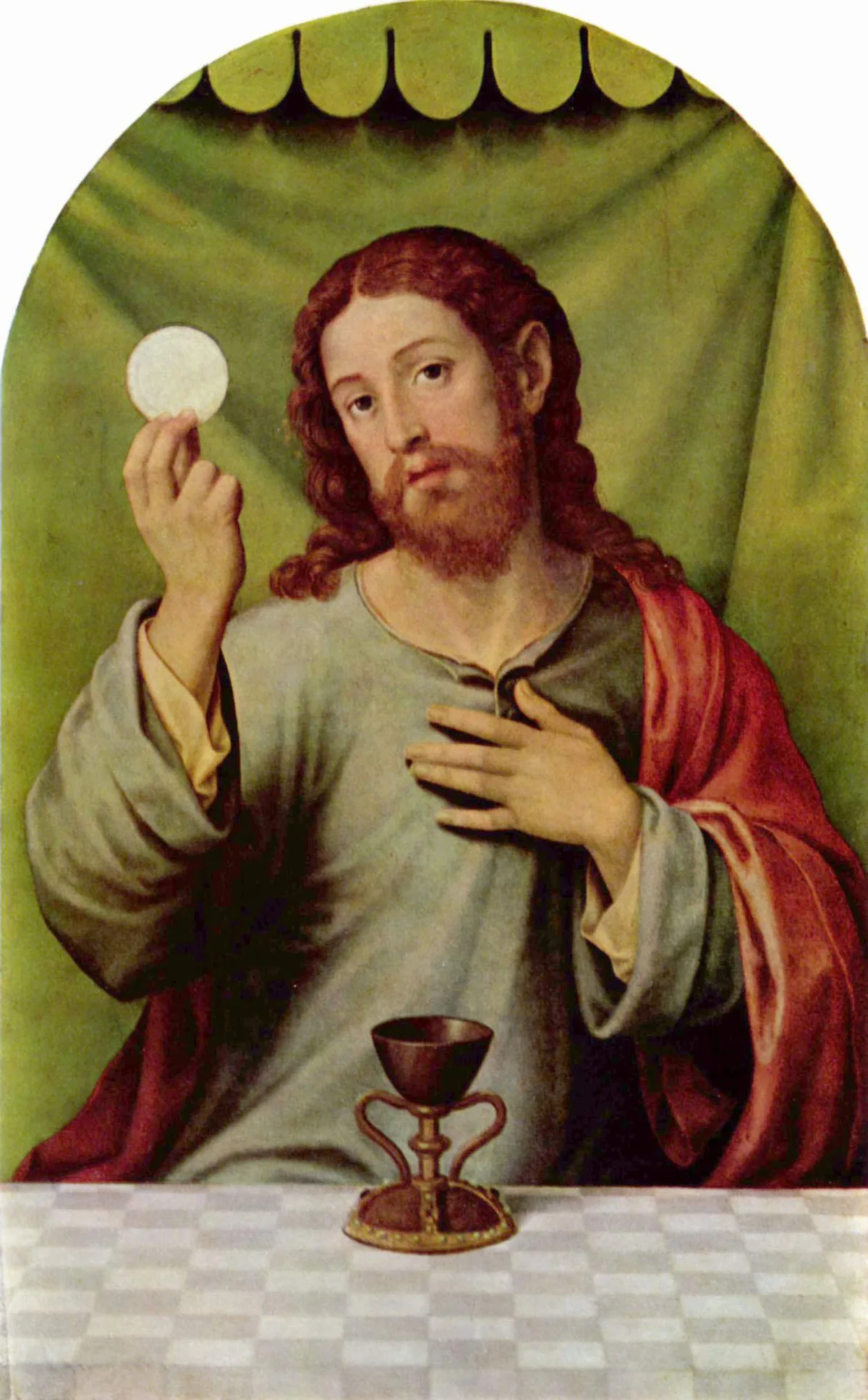
No. Pantheism identifies God with the universe. Catholics distinguish the Creator from creation and believe the whole Christ becomes sacramentally present in the Eucharist. Receiving him does not make all things God.
Does receiving Communion make you God?
No. Communion unites a properly disposed recipient to Christ by grace. The recipient remains a human creature, not God by nature and not an object of worship.
Does the Eucharist contain a piece of God’s divine essence?
No. God is not divided into portions. Catholic teaching is that the whole Christ—body, blood, soul, and divinity—is present under the Eucharistic appearances, not that divine energy is stored inside ordinary bread.
How is sharing in the divine nature different from pantheism?
Sharing in God’s life means receiving grace and being brought into communion with him, as described in 2 Peter 1:4 and CCC 1997. It does not mean becoming God by nature or ceasing to be a creature.
Why do Catholics adore the Eucharist but not the person who receives it?
Catholics adore Christ himself, who is truly present in the Eucharist. A communicant is united to him but remains a human person. Receiving Communion does not make someone an object of worship.