St. Paul Miki and Companions Novena
Pray the St. Paul Miki and Companions Novena with daily reflections and original prayers. Learn its feast, intentions, biblical roots, and how Catholics explain the devotion.
Feast: February 6 · Length: 9 days
This guide uses nine days ending the day before the feast date named here. It is an optional devotional schedule, not a universal obligation; local calendars may differ.
Common intentions: Japan, preachers and catechists, persecuted Christians, forgiveness, faithful witness

What is this novena?
Paul and his companions came from different vocations and backgrounds within the Japanese Church. Their witness encourages Christian fidelity and forgiveness, but does not glorify violence or tell people in danger to remain in unsafe situations.
History and origin
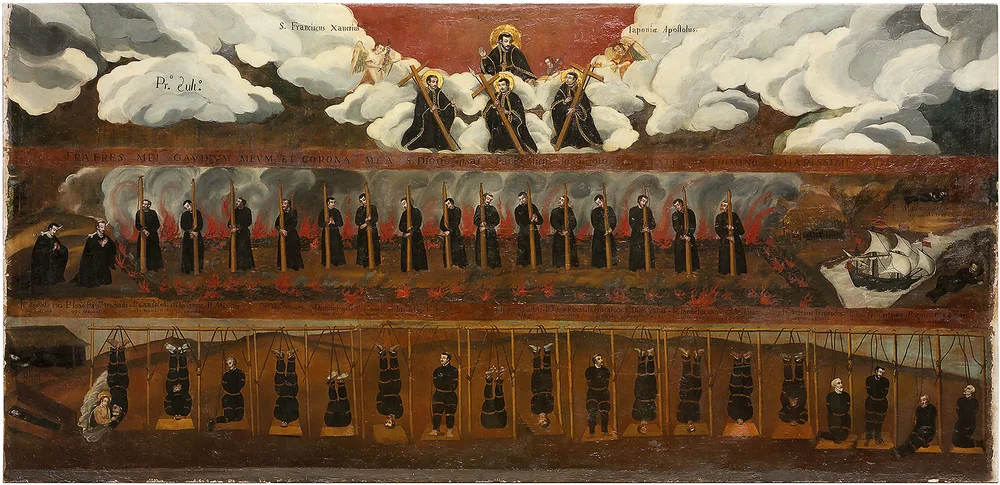
Paul Miki was a Japanese Jesuit who was crucified in Nagasaki in 1597 with twenty-five companions. Their feast is February 6. This nine-day guide and its prayers are original Catholic Explained compositions, not a historical text attributed to Paul.
Are novenas biblical?
Scripture does not command a particular modern nine-day prayer booklet. It does teach persistent prayer: Jesus encourages perseverance in Luke 18:1, and Acts 1:14 describes the disciples praying together with Mary before Pentecost. Catholics connect that prayerful waiting with the later novena tradition. The biblical principle is perseverance; the particular devotional form is a way of practicing it, not a substitute for the Gospel or the sacraments.
Who are Catholics praying to?
Catholics worship God alone. Asking a saint to pray with us is not asking that saint to replace Jesus or to act independently of him. The Church understands those who live in Christ as members of his Body, and Revelation 5:8 depicts the prayers of the holy ones in heaven. This supports Catholic belief in heavenly intercession as part of a wider biblical and traditional argument; it does not mean one verse prescribes every modern devotion.
What to Say
“I’m asking St. Paul Miki and his companions to pray with me, not worshiping a creature instead of God. A novena gives me nine days to bring a need to Jesus with perseverance. It doesn’t guarantee a result or take the place of living my faith.”
Prayer authorship and devotional notes
The daily reflections, intentions, and prayers on this page are original Catholic Explained compositions. They are not attributed to the saint, presented as an official liturgical text, or claimed to be the only traditional form. Established traditional wording may be followed through the linked sources where available. A novena is an optional devotion, not a sacrament or a guarantee. If you miss a day, continue calmly; you do not have to restart out of fear.
Day 1 of 9: A Japanese preacher
Romans 10:13–17Reflection
Paul Miki preached Christ to fellow Japanese. The Gospel is shared most faithfully through words joined to a life of service.
Intention
Preachers, catechists, and everyone explaining the faith.
Original Catholic Explained prayer
Lord Jesus, bless those who teach and preach. Help me speak clearly, listen carefully, and live what I say.
Closing prayer
Through Jesus Christ our Lord. Amen.
Day 2 of 9: A young Church
Acts 2:42–47Reflection
The early Church grew through prayer, teaching, and mutual care. Remember the Japanese Christians who built community amid changing circumstances.
Intention
Catholic communities in Japan and across Asia.
Original Catholic Explained prayer
Holy Spirit, sustain the Church in Japan. Strengthen small communities and help all Christians care for one another.
Closing prayer
Through Jesus Christ our Lord. Amen.
Day 3 of 9: Faith across vocations
1 Peter 4:10–11Reflection
Paul’s companions included religious and lay Christians. Each vocation can serve the Church through gifts offered for the common good.
Intention
Laypeople, religious, and clergy serving together.
Original Catholic Explained prayer
God of every vocation, make your people generous with their gifts. Help us serve together without envy or competition.
Closing prayer
Through Jesus Christ our Lord. Amen.
Day 4 of 9: Courage with wisdom
Matthew 10:26–31Reflection
Jesus encourages his disciples not to be ruled by fear, while also teaching them to act prudently. Courage includes seeking protection and support.
Intention
People facing threats, discrimination, or violence.
Original Catholic Explained prayer
Father, protect people in danger. Guide them toward safety and people who can help, and give communities courage to defend the vulnerable.
Closing prayer
Through Jesus Christ our Lord. Amen.
Day 5 of 9: Forgiveness and justice
Luke 23:33–34Reflection
The Christian call to forgive never makes violence acceptable or removes the need for justice. It frees the heart from being shaped by hatred.
Intention
Victims of persecution and people working for justice.
Original Catholic Explained prayer
Jesus, heal those harmed by violence. Bring justice and conversion, and keep me from excusing wrongdoing or returning hatred for hatred.
Closing prayer
Through Jesus Christ our Lord. Amen.
Day 6 of 9: Companions in suffering
Galatians 6:1–2Reflection
The martyrs were not alone; they suffered with companions. Christian solidarity means listening and offering practical help to people in hardship.
Intention
Believers who feel isolated or abandoned.
Original Catholic Explained prayer
Lord, send trustworthy companions to everyone who is alone. Make me attentive and willing to offer help that respects their needs.
Closing prayer
Through Jesus Christ our Lord. Amen.
Day 7 of 9: A witness that serves
Mark 10:42–45Reflection
Paul’s public preaching was rooted in discipleship. Christian witness should never become domination; Jesus teaches leaders to serve.
Intention
Church leaders, catechists, and people with influence.
Original Catholic Explained prayer
Jesus, purify my desire to lead. Help me use influence to serve, protect, and encourage others.
Closing prayer
Through Jesus Christ our Lord. Amen.
Day 8 of 9: Hope beyond fear
John 16:31–33Reflection
Christ’s peace is not a promise that Christians will avoid hardship. It is a reason to keep choosing truth, mercy, and solidarity.
Intention
Families remembering martyrs and Christians facing pressure today.
Original Catholic Explained prayer
Prince of Peace, comfort those who grieve and strengthen those who are afraid. Lead us toward a peace grounded in justice.
Closing prayer
Through Jesus Christ our Lord. Amen.
Day 9 of 9: Continue as a disciple
Philippians 1:27–30Reflection
The feast ends, but discipleship continues in daily choices. Carry the martyrs’ memory into a small act of courage and charity.
Intention
The Church in Japan and Christians around the world.
Original Catholic Explained prayer
God our Father, through St. Paul Miki and companions, make me steadfast in Christ and gentle toward my neighbor. Let my life bear witness through love. Amen.
Closing prayer
Through Jesus Christ our Lord. Amen.
Questions about praying a novena
Can I start this novena at any time?
Yes. You can begin a personal nine-day prayer whenever you need it. The displayed feast preparation window is a devotional calendar choice, not a requirement. Your personal progress is separate from that calendar.
What if I miss a day?
Continue calmly. A novena is a private devotion, not a magic formula or a test you fail by missing a day. You may pray the missed day and continue without restarting out of fear.
Are these prayers a guaranteed way to receive what I ask for?
No. Prayer seeks God’s will rather than control over him. You may ask confidently while continuing responsible action, sacramental life, and appropriate help.
Who wrote the prayers on this page?
Catholic Explained wrote these reflections, intentions, and prayers. They are clearly identified as original compositions, not words attributed to a saint or the only traditional form of the devotion. Follow the cited devotional resources for traditional wording where available.
Sources
- Vatican State — Saints Paul Miki and Companions
- Luke 18 — perseverance in prayer
- Acts 1 — the disciples gathered in prayer
- Revelation 5 — the prayers of the holy ones
- Catechism, CCC 2725–2745 — the battle of prayer
Keep learning
Prayer intentions may be visible publicly. Anonymous posting is supported; please avoid identifying private details without permission.