St. Gerard Majella
A Redemptorist lay brother remembered for humility, service to the poor, and his patronage of mothers and pregnancy.
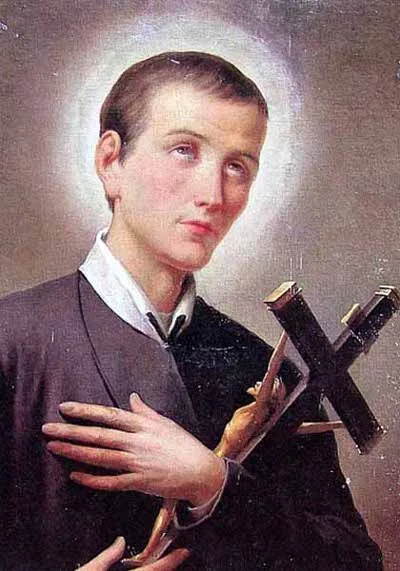
Image: Unknown artist — Public domain. Source and rights

Feast: October 16
Patronage and associations: Mothers, Expectant mothers, Pregnancy and childbirth, Couples hoping to conceive
Historical period: 18th century (1726–1755)
The Redemptorist family and many local communities celebrate St. Gerard on October 16; he is not a universal memorial on the General Roman Calendar.
Quick facts
- Born
- April 6, 1726, Muro Lucano, Italy
- Died
- October 16, 1755, Materdomini, Italy
- Vocation
- Redemptorist lay brother
- Canonized
- December 11, 1904, by Pope St. Pius X
- Feast day
- October 16
Who Was St. Gerard Majella?
Gerard Majella was born in Muro Lucano, Italy, in 1726. His family had little money, and after his father died Gerard helped support them through work as a tailor. He had long desired religious life, but poor health became an obstacle. The Capuchins did not accept him, and even the Redemptorists initially considered him too physically weak for their demanding mission.
Gerard persisted. After a Redemptorist mission came to his town in 1749, he followed the missionaries when they left and asked again to join them. He was eventually accepted and later professed vows as a Redemptorist lay brother. He was not a priest, but his work mattered deeply: he served the community, collected needed funds, assisted missions, and became known for prayer, obedience, and care for people burdened by poverty.
One of Gerard’s most difficult trials came when he was falsely accused of misconduct. Rather than retaliate or spread the accusation further, he endured the restriction placed on him until the person who had accused him withdrew the claim. His response should not be used to tell people that they must always remain silent when accused or harmed. It does show the steadiness with which Gerard tried to entrust his reputation to God while continuing to act with humility.
Gerard died from tuberculosis in 1755 at only twenty-nine. The Redemptorists preserved his letters, his reputation for spiritual counsel, and stories of extraordinary gifts. Devotion to him became especially strong among mothers and expectant mothers. The Redemptorists identify him as a patron sought by mothers, people facing pregnancy, and couples hoping to conceive. Pope St. Pius X canonized him in 1904.
Catholics should speak carefully about this patronage. Asking St. Gerard to pray does not guarantee conception, a particular pregnancy outcome, or freedom from grief. It places real hopes and fears before God in the communion of saints. Gerard’s life also offers a broader witness: holiness can grow through work that seems hidden, through service that receives little attention, and through compassion for people who carry heavy burdens. His example invites us to bring both practical care and prayer to families, parents, and anyone experiencing uncertainty around pregnancy or infertility.
What St. Gerard Majella Teaches Us Today
1. Hidden service matters
Gerard shows that ordinary work offered with love can support the Church and change another person’s day.
2. Compassion should be practical
Prayer for parents and families should be joined to patient listening, respect for privacy, and useful help.
3. Intercession is trust, not a guarantee
We ask saints to pray with us while entrusting outcomes to God and continuing to seek appropriate care.
A Prayer Asking for St. Gerard Majella’s Intercession
God, giver of every life and source of every good gift, receive the hopes and fears of parents, expectant mothers, couples longing for a child, and families carrying grief. Through the intercession of St. Gerard Majella, grant wisdom to medical professionals, strength to caregivers, comfort to those who mourn, and generous support from the Christian community. St. Gerard, pray for us, that we may trust God without demanding guarantees and serve families with tenderness and courage. Amen.
Original prayer written by Catholic Explained.